One project, two trades
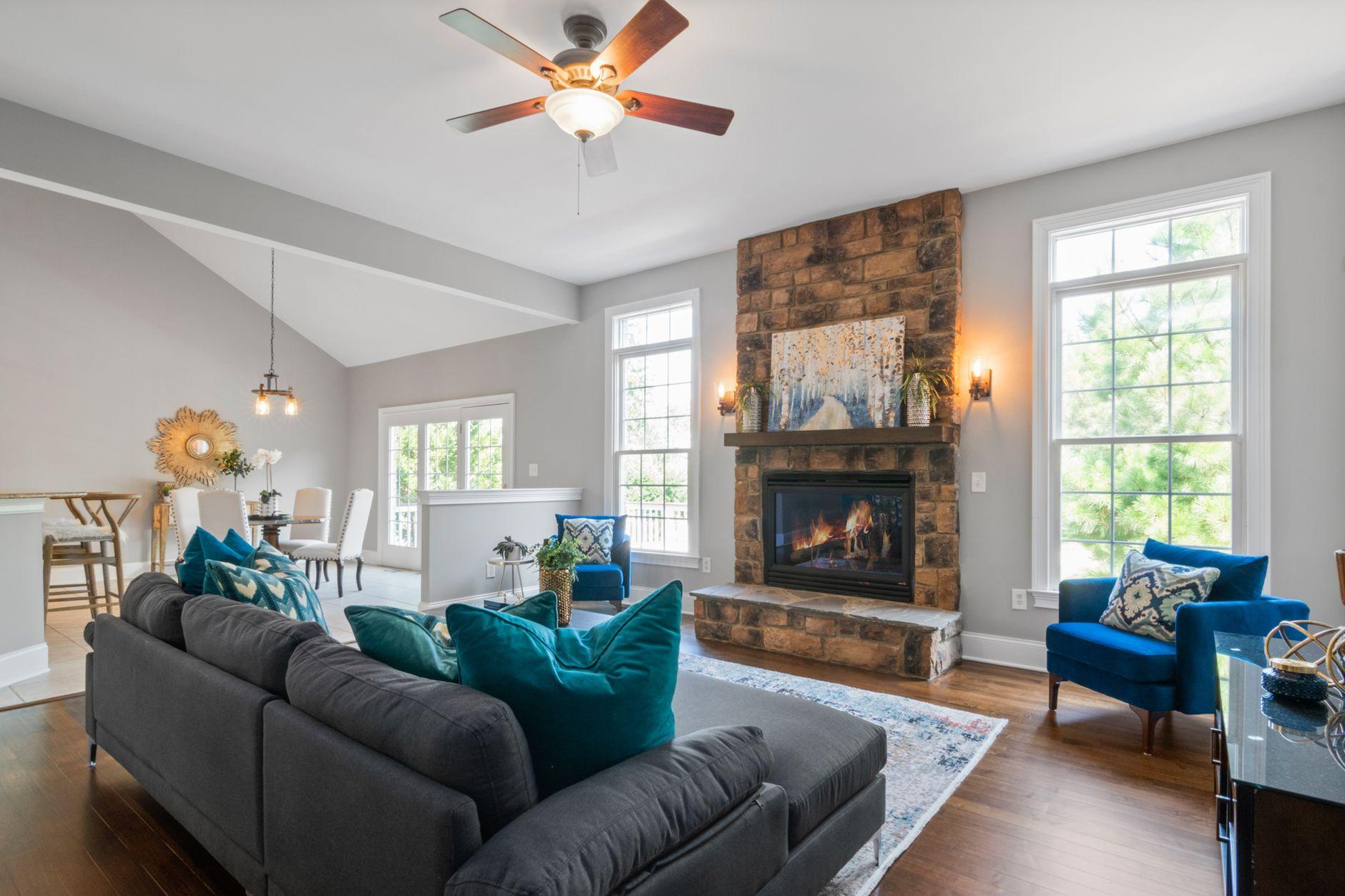
Owners who switch to gas rarely want the old face to stay. The brick is smoked above the opening, the tile is a color from another decade, and a sealed glass insert looks odd framed by a wide sooty arch. So the conversion turns into a remodel, and a simple job becomes two: the gas work, which follows a maker's manual and the gas code, and the finish work, which follows taste and budget.
Doing both under one plan, in the right order, saves money. This post covers how we put that plan together for Aliso Viejo homes and what decides the price of each part.
Gas first, finish second
The gas unit sets the shape of everything around it. An insert has a fixed front size and a surround panel; a direct vent unit has a framing size and a set of clearances printed in its manual. Choose the unit first and the remodel is drawn around real numbers. Choose the tile first and you may end up with a stone face that has to be cut back, or a mantel that sits too low for the unit you wanted.
So the order on our jobs runs:
- pick the gas option and the exact model
- check the chimney or vent route it needs
- set the gas line and power where the unit wants them
- frame or adjust the opening
- fit the unit and test it
- close in with the new face, hearth and mantel
The clearances that limit the design
Every gas unit comes with a page of measurements, and the remodel has to respect them.
Mantel height. A wood mantel must sit a set distance above the top of the opening, and the distance grows the further the mantel sticks out. A deep beam mantel can end up higher than owners expect.
Face materials. Some units allow tile, stone or plaster right up to their edge. Others ask for a gap or a non-combustible board behind the finish within a certain distance. The board, not the tile, is what keeps the framing safe.
The wall above. A TV over a fireplace is a request we hear often, and the manual decides whether it works. Some units have a heat shield or a mantel that pushes warmth away from the wall; some do not and are a poor match for a screen.
The hearth. A raised or flush hearth is mostly a looks choice with gas, but some units still call for a non-combustible pad in front of the glass.
Finish options, one at a time
Tile. Large-format porcelain is a common pick for a new face. It cleans easily, stands up to heat and suits a linear unit.
Stone. Stacked stone or a single slab gives weight and texture. It is heavier, so we check the wall below it can carry it.
Plaster. A smooth plaster face over cement board suits modern rooms and lets the glass of the unit be the main feature.
Brick kept and cleaned. Some owners like the old brick. A clean and a limewash or paint can be all it needs once the soot comes off.
What decides the price
The gas unit is the biggest single figure. A sealed insert runs $2,700 to $5,400 installed and a direct vent unit $4,300 to $8,650 installed, both from our published list. The remodel side has no published price because it depends on four things:
- how much old face has to come off, and whether the wall behind is sound
- the material and the area it covers
- the mantel: a stock shelf, a custom beam or none
- whether the hearth is rebuilt, lowered or left alone
We price the two parts on one written quote so you see the total, with the gas work and the finish as separate lines.
When you are ready for a figure, tell us on the quote form which gas option you prefer and the look you are after: tile, stone, plaster or the brick cleaned. We will come and measure.
Living with the work
A combined job takes the room out of use for a stretch. The gas unit goes in first and has to be inspected, if your city calls for that, before it is closed in. Dust from cutting brick or tile stays contained to the fireplace wall with sheeting and floor cover. Expect the room to be usable but not tidy until the last stone is set.
Who does which part
Our crew handles the gas unit, its connection to the line, the framing of the opening and the non-combustible backing behind the finish. Tile, stone and plaster can be ours as well, or your own finisher's. If a designer or tile setter is already lined up, we hand over the opening with the clearance lines marked on the wall so their work matches the manual. Either way, the quote shows which lines are ours.
When a remodel alone makes sense
If the gas unit is already in and working, a refacing can happen on its own. We still read its manual first, since the clearances apply to any new face. Our fireplace remodel page covers that route, and if the old unit is struggling, choosing a gas fireplace repairer explains what a repair visit should include.
Start with a visit
Bring us the picture you have in mind. Contact Knowles through the site to set a measuring visit in Aliso Viejo or the surrounding towns, and we will return one quote covering both the gas unit and the new face. Our fireplace inserts page has more on the units themselves.
Want These Numbers for Your Own Fireplace?
Knowles Chimney Pros measures the opening, reads the flue and prices each gas route that fits, one per line. Visits leave Aliso Viejo for Laguna Niguel, Mission Viejo, Costa Mesa and the rest of Orange County.