Where most owners start
The call usually goes like this. Nobody has burned a log in years, the wood rack in the garage holds paint cans now, and someone in the house wants a flame at the turn of a key. In Aliso Viejo that wish has three answers. They differ far more in heat and in what they ask of the chimney than in how they look.
This post sets the three next to each other, one per section, with the prices we publish where we have them. Knowles Chimney Pros fits all three, so there is no reason for us to steer you toward one.
Option one: a log set in the old firebox
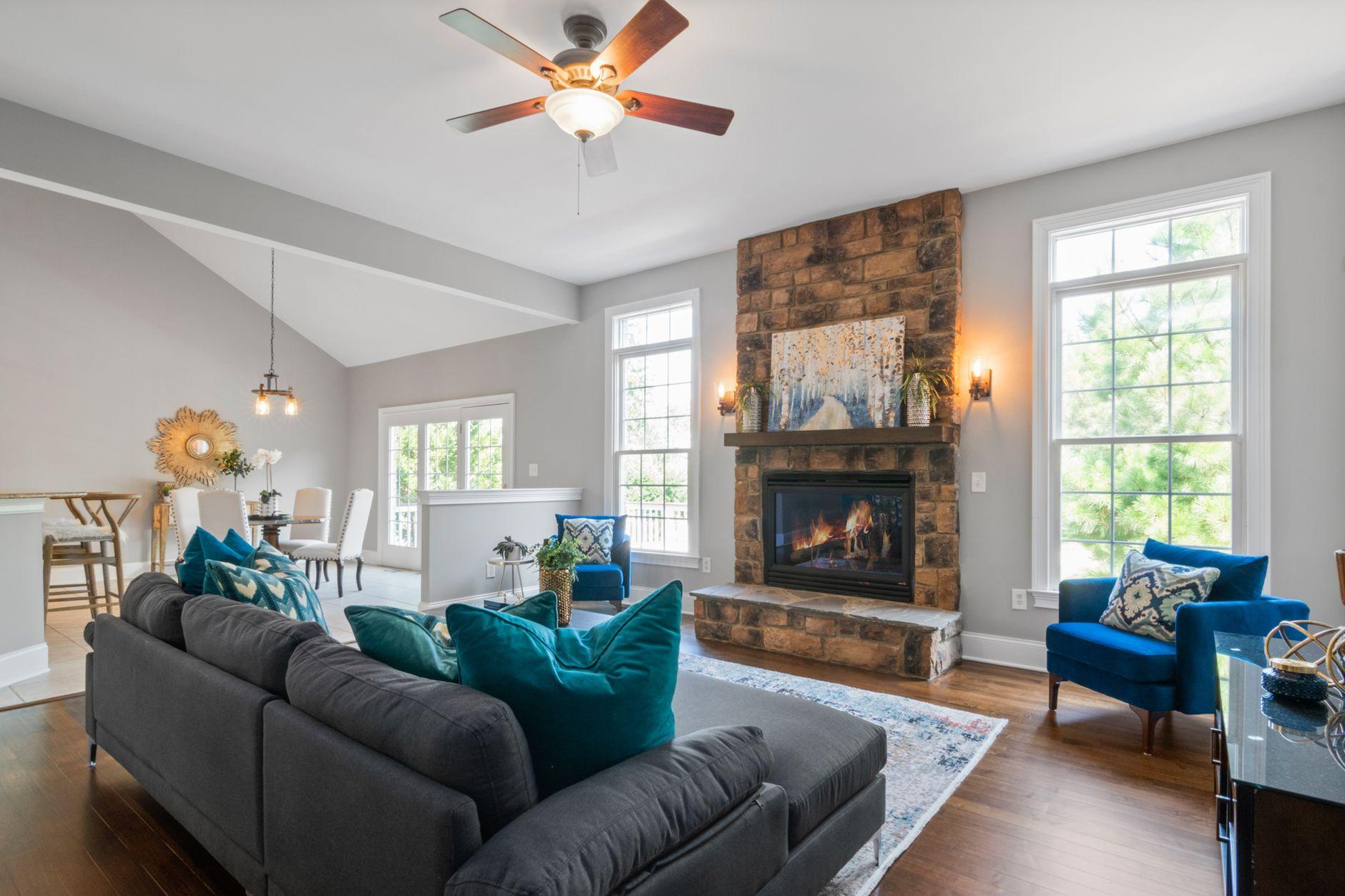
A log set is a steel burner pan with ceramic logs arranged over it, sitting where the grate used to be. A gas line comes through the side or floor of the firebox to a valve, and the flame plays over the logs. It gives you the look of a wood fire with no ash, no smoke smell in the curtains and nothing to carry in.
It is the cheapest of the three and the fastest to fit, especially when a gas stub already pokes out at the hearth. Plenty of houses in town were built with one, a leftover from the days when a gas starter lit the kindling.
The trade is heat. A vented set burns with the damper fixed open, so much of the warmth leaves through the flue. Treat it as a fire to sit beside, not a heater. The damper has to be clamped so it cannot be closed while the burner runs, and we fit that clamp with every set. Log sets carry no published price on this site; the set itself varies a lot by size and style, and the visit tells us whether the existing stub can feed it. Our fireplace gas logs page lists what we fit.
Option two: a sealed insert
An insert is a steel box with a glass front that slides into the opening you already have. It draws outside air for burning through one liner and sends exhaust up through another, or through one liner split into two passages, all the way to the top of the chimney. Room air stays in the room, and most of the heat comes off the glass and out of a fan at the front.
For an owner who wants the family room warm on a cool February night, this is usually the pick. Installed, an insert runs $2,700 to $5,400. Where yours lands depends on the size and finish of the unit, the length of liner your chimney takes and how much gas line work the hearth needs.
The insert asks the most of the fireplace you have. The firebox has to be deep and wide enough, the flue has to accept a liner, and a factory-built firebox must be approved by its maker to take one. Many metal fireboxes in south Orange County are not, which sends the owner to option three. More on fitting one is on our fireplace inserts page.
Option three: replace the box with a direct vent unit
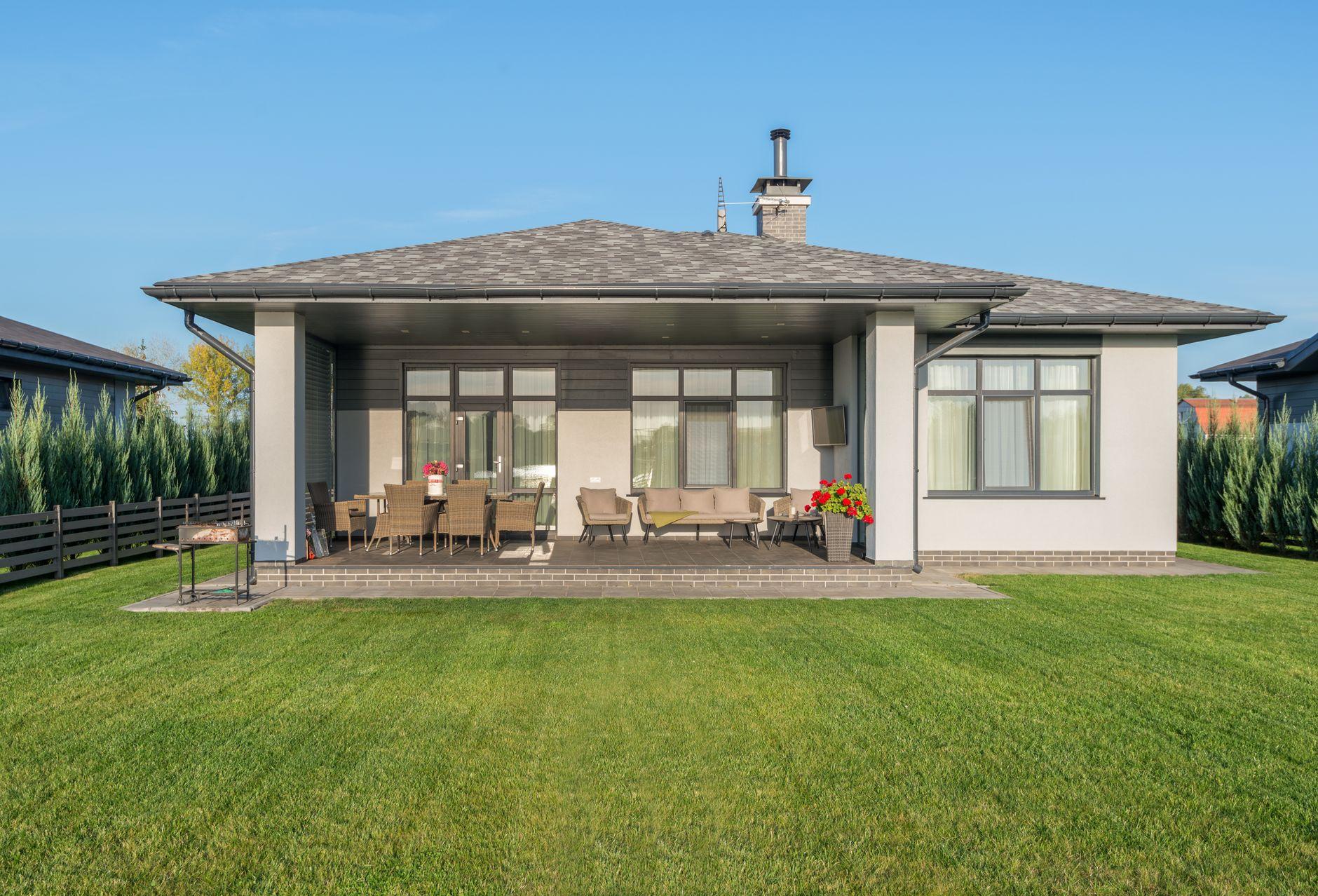
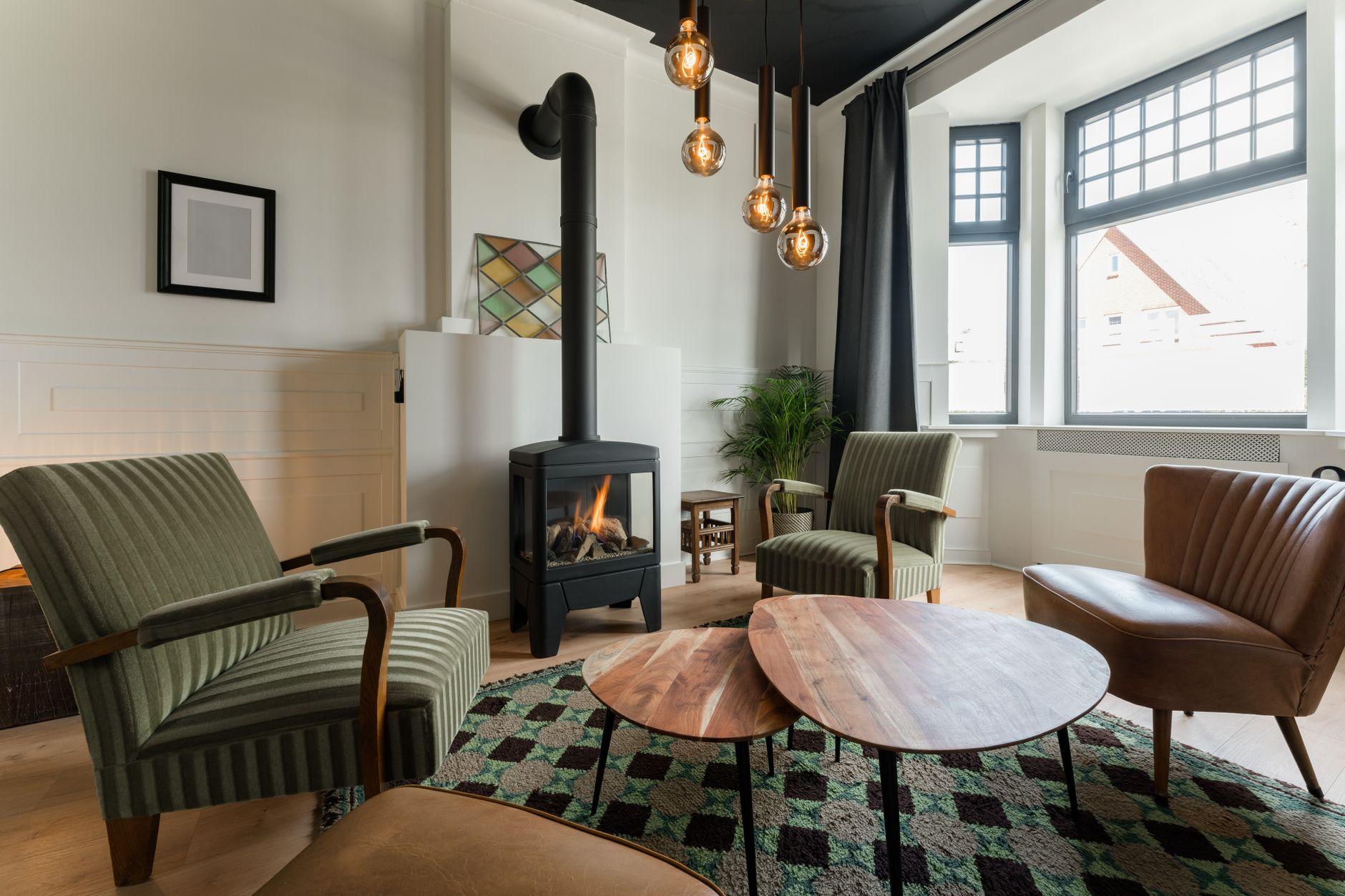
When the old firebox cannot take an insert, the whole thing can come out. A new sealed gas unit is framed into the opening, and a short double pipe runs out through the wall or the roof. The old chimney is no longer used for anything.
We list that work at $4,300 to $8,650, and the same range covers putting a unit in a room that never had a fireplace. A swap where the framing already exists tends to sit lower in the range. A new spot on an inside wall, with a long vent and a long gas run, sits higher.
Side by side
| Option | Log set | Insert | Direct vent |
|---|---|---|---|
| Heat into the room | Low | High | High |
| Uses the old chimney | Yes, damper held open | Yes, with liners | No |
| Glass front | No | Yes | Yes |
| Our price | Written quote | $2,700 to $5,400 | $4,300 to $8,650 |
What settles the choice, and the price
Four facts decide it on most houses:
- whether there is a gas stub at the hearth, and how big it is
- whether the firebox is brick or factory-built metal, and what its label allows
- the height of the chimney and whether the flue can hold a liner
- how you mean to use it: a few evenings of flame a year, or real heat all winter
We read the first two at the visit, from the rating plate and the hearth. The third needs a look down the flue. On a chimney that has burned wood, that usually means a Level 2 camera inspection at $375 before an insert goes in, since NFPA 211 lists a change of fuel among the reasons for the deeper inspection.
For a written price on your house, use the quote form to tell us whether the firebox is brick or metal and whether a gas key sits near the hearth. We will book a visit to measure.
The chimney still counts with gas
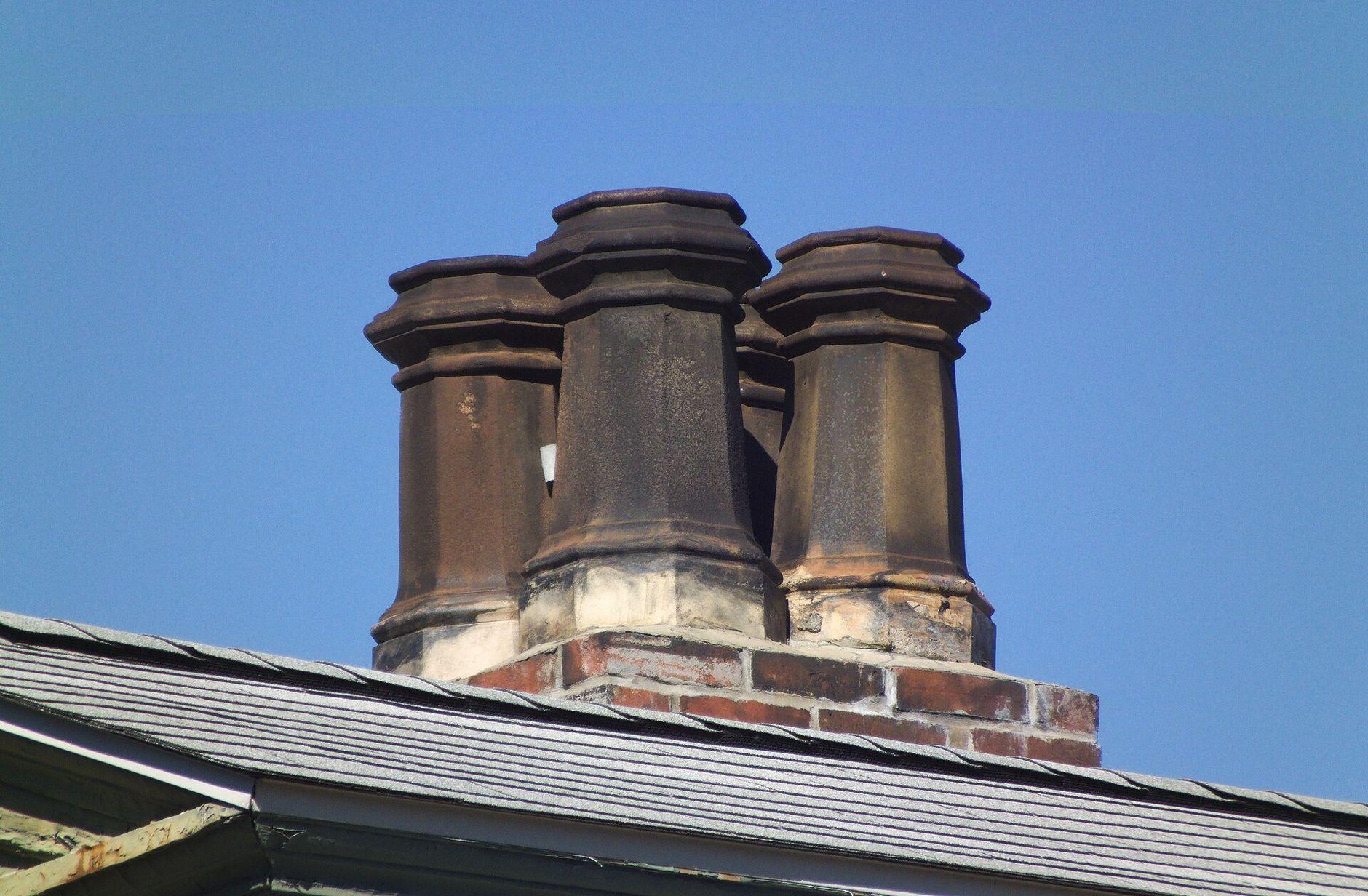
Owners sometimes take gas to mean the chimney no longer matters. With a log set, combustion gases still travel up the same flue, and a cracked tile or a missing cap lets them, or the rain, go where they should not. With an insert, the chimney has to hold a liner straight from the firebox to the top. Only the direct vent route leaves the old flue behind, and even then we close it off at the top so it stops collecting water.
Our post on liner and damper work ahead of a gas insert covers the chimney side, and the inspection to book before leaving wood behind explains the visit that comes first.
Upkeep after the switch
None of the three is maintenance free. A log set wants its burner ports cleared and its logs set back in the pattern the maker drew, since a log out of place can push soot onto the firebox walls. An insert or direct vent unit wants its glass cleaned, its gasket looked at and its pilot assembly checked once a year. Our gas fireplace cleaning visit covers that.
No-burn days
Orange County falls under the South Coast AQMD, and its Rule 445 lets the district stop wood fires on winter days when the air is poor. Gas fireplaces are not held to those days. For many Aliso Viejo households that alone settles the question.
Next
Know which of the three you lean toward, or want us to say which ones your fireplace can take? Reach us through the contact page and we will set a visit in Aliso Viejo, Laguna Niguel, Mission Viejo or Costa Mesa.
Want These Numbers for Your Own Fireplace?
Knowles Chimney Pros measures the opening, reads the flue and prices each gas route that fits, one per line. Visits leave Aliso Viejo for Laguna Niguel, Mission Viejo, Costa Mesa and the rest of Orange County.